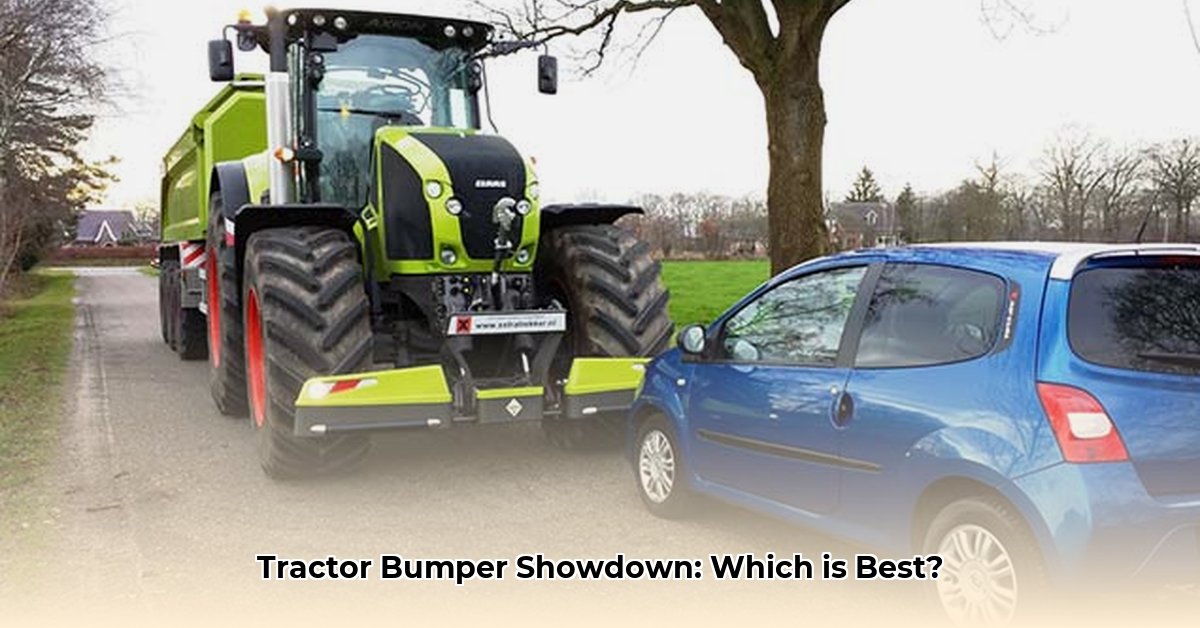
Choosing the right front-weight system is crucial for tractor safety and operational efficiency. This comparative review analyzes Agribumper and TractorBumper, two leading contenders, to help you make an informed decision. We'll examine weight capacity, adjustability, visibility, cost, and overall value, providing a clear pathway to selecting the best system for your needs. For more on tractor options, see our guide on compact tractor options.
Weighing the Options: Agribumper vs. TractorBumper
Both Agribumper and TractorBumper aim to improve tractor stability and traction, enhancing precision farming and overall safety. However, their approaches and features differ significantly. Let's explore these key distinctions.
Weight Capacity and Adjustability: Adaptability to Varying Needs
Agribumper boasts a significantly wider range of weight capacities, typically from 350kg to 2000kg, offering considerable flexibility. Its modular design allows for easy adjustment to accommodate diverse tractors and implements. This adaptability makes it ideal for farmers working with varying terrain and equipment. In contrast, TractorBumper's weight capacity specifications aren't readily available, limiting its versatility. Do you need a system adaptable to different tasks and conditions? If so, Agribumper's adjustability might be a critical advantage.
"The adjustability of Agribumper has been a game-changer on our farm," says Sarah Miller, owner of Miller Family Farms in Iowa. "It easily adapts to our various implements, increasing both efficiency and safety."
Visibility and Safety: Nighttime and Inclement Weather Performance
Both systems prioritize visibility. They typically include LED lights and reflective markers for enhanced visibility in low-light or adverse weather conditions. However, a key distinction lies in their design philosophies. TractorBumper emphasizes a robust bumper construction, prioritizing road safety, particularly for larger tractors. Agribumper, on the other hand, focuses on optimized weight distribution to enhance precision farming techniques. Which factor takes precedence for your operation – road safety or field performance? This question directly influences your choice.
Cost and Long-Term Value: Return on Investment
Agribumper frequently presents a more budget-friendly option compared to alternative weighting methods, such as using concrete or steel weights. This initial cost savings can translate to long-term benefits through improved fuel economy and reduced equipment wear. While the exact pricing of TractorBumper remains less transparent, the potential for cumulative savings with Agribumper warrants consideration. Will the long-term fuel efficiency and reduced maintenance costs of Agribumper offset its initial cost over time? This is a key factor to examine carefully.
Feature-by-Feature Comparison: A Side-by-Side Analysis
The following table summarizes the key features of both systems for a convenient comparison:
| Feature | Agribumper | TractorBumper |
|---|---|---|
| Weight Capacity | 350-2000kg (adjustable) | Unspecified |
| Adjustability | Highly adjustable, modular design | Specifications not publicly available |
| Visibility | Excellent; LED lights, reflective markers | Excellent; LED lights, reflective markers |
| Main Design Focus | Precision farming, weight distribution | Road safety, robust bumper construction |
| Tractor Compatibility | Adaptable to various tractors and tools | Compatibility details unavailable |
| Cost | Generally more affordable | Price information not available |
Choosing Your Champion: A Decision-Making Framework
Selecting the optimal system hinges on your specific farming operation. Agribumper’s unparalleled adjustability and focus on precision farming make it a strong choice for those prioritizing field accuracy and adaptability. TractorBumper might be more suitable for farmers requiring robust road safety features, particularly for large tractors, provided its detailed specifications and pricing align with their needs and budget.
Essential Considerations: Safety and Compliance
Remember: safety remains paramount! Regardless of your choice, regular maintenance and adherence to all safety regulations are non-negotiable. Ensure that the chosen system meets all relevant safety standards for both on-road and in-field operations. Before committing to a purchase, thoroughly research both systems, considering your specific requirements and budget constraints.
How to Choose the Best Tractor Front Weight System for Precision Farming
This section provides a step-by-step guide to selecting the ideal front-weight system for your specific needs.
Key Takeaways:
- Optimal weight distribution is crucial for efficient and safe operation, impacting fuel efficiency, soil compaction, and overall productivity.
- Choosing the right front-weight system enhances precision farming by improving stability and traction.
- Agribumper and TractorBumper offer distinct advantages and disadvantages. A thorough comparison is necessary for optimal selection.
- Consider tractor size, implement weight, terrain, and budget when making your decision.
- Minimize soil compaction through sustainable practices – consider lighter weight options and adjustable ballast systems.
Step-by-Step Selection Guide
Assess Your Needs: Consider tractor size, implements, and terrain type. Heavier implements and rough terrain necessitate increased weight.
Review Tractor Specifications: Consult the manual to confirm maximum permissible front weight and recommended weight distribution. Never exceed these limits.
Evaluate Agribumper and TractorBumper: Use the comparative analysis above to weigh the pros and cons based on your specific requirements.
Prioritize Sustainability: Consider options that minimize soil compaction. Lighter, adjustable systems may offer advantages.
Installation and Maintenance: Choose a system with easy installation and maintenance procedures. Verify compatibility with your tractor model.
Minimizing Soil Compaction: A Sustainable Farming Approach
Excessive weight compacts soil, damaging soil structure and hindering water infiltration. This negatively impacts crop yields and farm sustainability. Therefore, selecting a system that minimizes compaction is crucial. Consider lighter options or adjustable ballast boxes to fine-tune weight as needed.